

Iran Talks Continue Despite Derailment Efforts
As Washington hawks step up efforts to derail diplomacy, negotiators continue to press ahead, preserving hopes for a political settlement.

Starmer Out, Burnham's Coronation Delayed
As Starmer clings to office until his replacement is confirmed, concerns grow over a prolonged period of political paralysis
Britain has entered a prolonged leadership transition after Prime Minister Keir Starmer announced his resignation, setting in motion a process that could conclude in mid-July or stretch into September if a contest emerges. Starmer will remain in office until Labour selects a successor, with Manchester Mayor Andy Burnham widely viewed as the overwhelming favourite after his victory in the Makerfield by-election. If no challenger steps forward, Burnham is expected to enter Downing Street next month. Should a contest materialise, the handover would be delayed until after the summer recess.
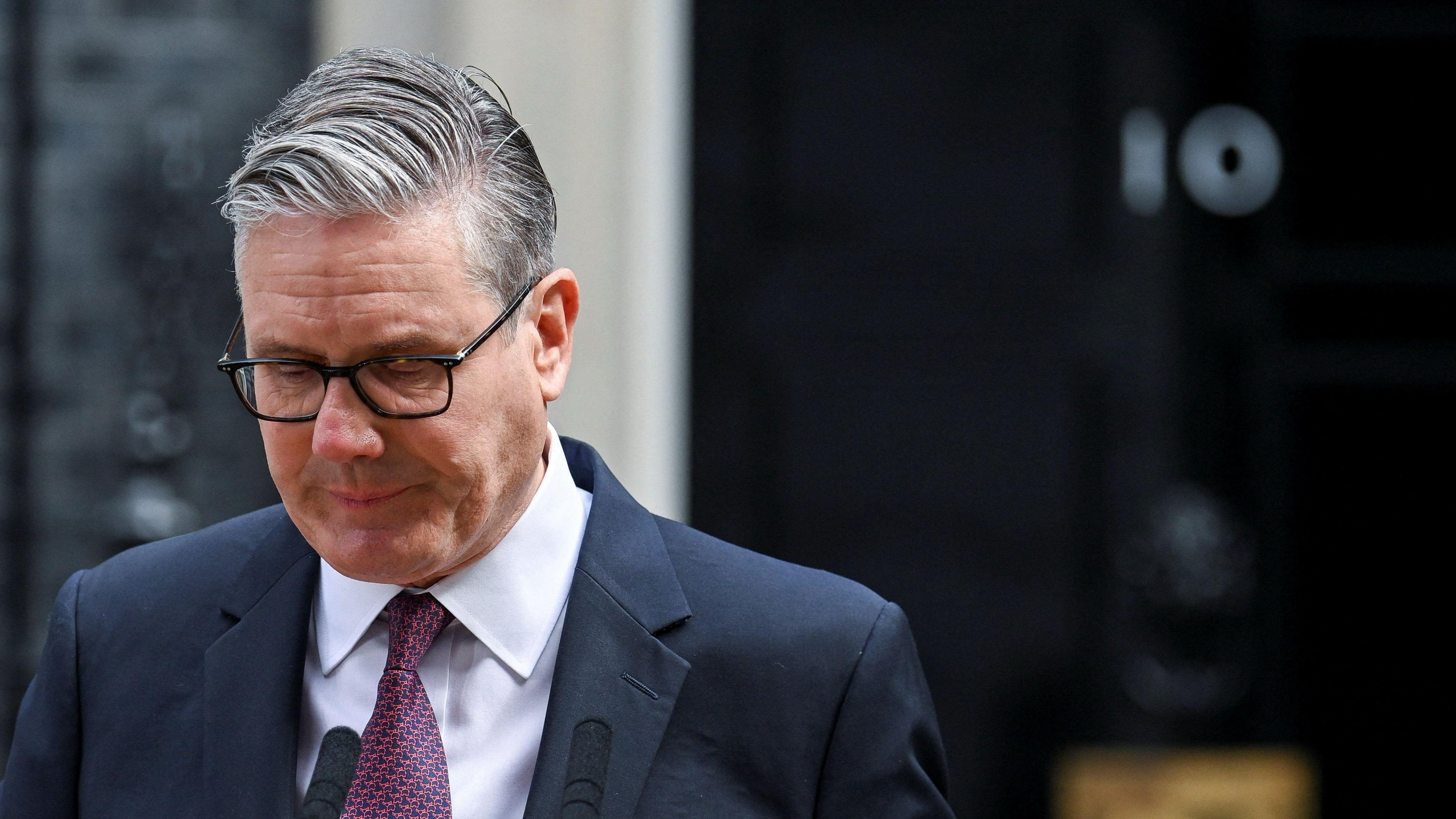
The resignation comes after months of mounting political weakness. Starmer had suffered historically poor approval ratings and persistent accusations that his government lacked direction. Much of his energy was concentrated on support for Ukraine and close coordination with European allies, while domestic difficulties multiplied. Despite repeated crises and growing dissatisfaction within Labour ranks, no convincing alternative had emerged. Angela Rayner and Wes Streeting failed to generate enthusiasm, allowing Starmer to survive far longer than many expected. Burnham’s arrival in Parliament changed the equation, exposing how fragile the prime minister’s position had become.
The transition itself has triggered fresh questions about the state of Britain’s political machinery. Under longstanding parliamentary conventions, a leader who loses the confidence of the governing party is expected to depart quickly. Instead, Britain now faces weeks of uncertainty with a prime minister whose authority is widely viewed as exhausted. Ministers know a new administration is approaching, creating conditions in which major decisions could be delayed and government business slowed. Critics of the process argue that a rapid agreement among senior Labour figures could have delivered a new prime minister immediately, avoiding a lengthy period of paralysis.
Speculation is also growing over what awaits Burnham before he formally assumes power. Questions persist over whether he will pursue policy changes or largely preserve the course established under Starmer. Support for Ukraine, missile production programs, digital identity initiatives and broader strategic priorities are all expected to remain central issues. For now, Britain faces an unusual interregnum, raising concerns over how effectively the government could respond should economic or financial turbulence emerge before the leadership transition is complete.
Watch the Full Video
Join The Duran Community.
Subscribe and Support The Duran!
Leadership Crisis in London, Iran Talks Hold
Starmer’s resignation deepens Britain’s political uncertainty as negotiations with Iran survive a near collapse and the Ukraine conflict enters another volatile phase.
Britain entered another leadership transition after Prime Minister Keir Starmer formally announced his resignation, ending a turbulent two-year tenure marked by collapsing approval ratings and mounting criticism over domestic and foreign policy. In an emotional farewell, Starmer said he would devote more time to his family while outlining a succession process that could leave him in office until mid-July or, if a leadership contest emerges, until September. With Andy Burnham widely expected to inherit the position unopposed, questions are growing over why the transfer of power is being stretched over weeks instead of days. Britain has now cycled through six prime ministers in roughly six years, yet many argue that policy direction has remained largely unchanged regardless of who occupies Downing Street.
Attention has already shifted to Burnham and the path awaiting him. Reports suggest Wes Streeting is unlikely to challenge and could instead secure a senior position in a future administration. The prolonged transition has fueled speculation that Burnham is reluctant to assume responsibility immediately amid mounting economic and political pressures. Others point to the influence of Britain’s permanent institutions, arguing that the coming weeks will be used to ensure continuity on key policies including support for Ukraine, digital identity initiatives and closer alignment with Brussels. European Commission President Ursula von der Leyen praised Starmer’s record, declaring that European and Ukrainian security had become stronger under his leadership.
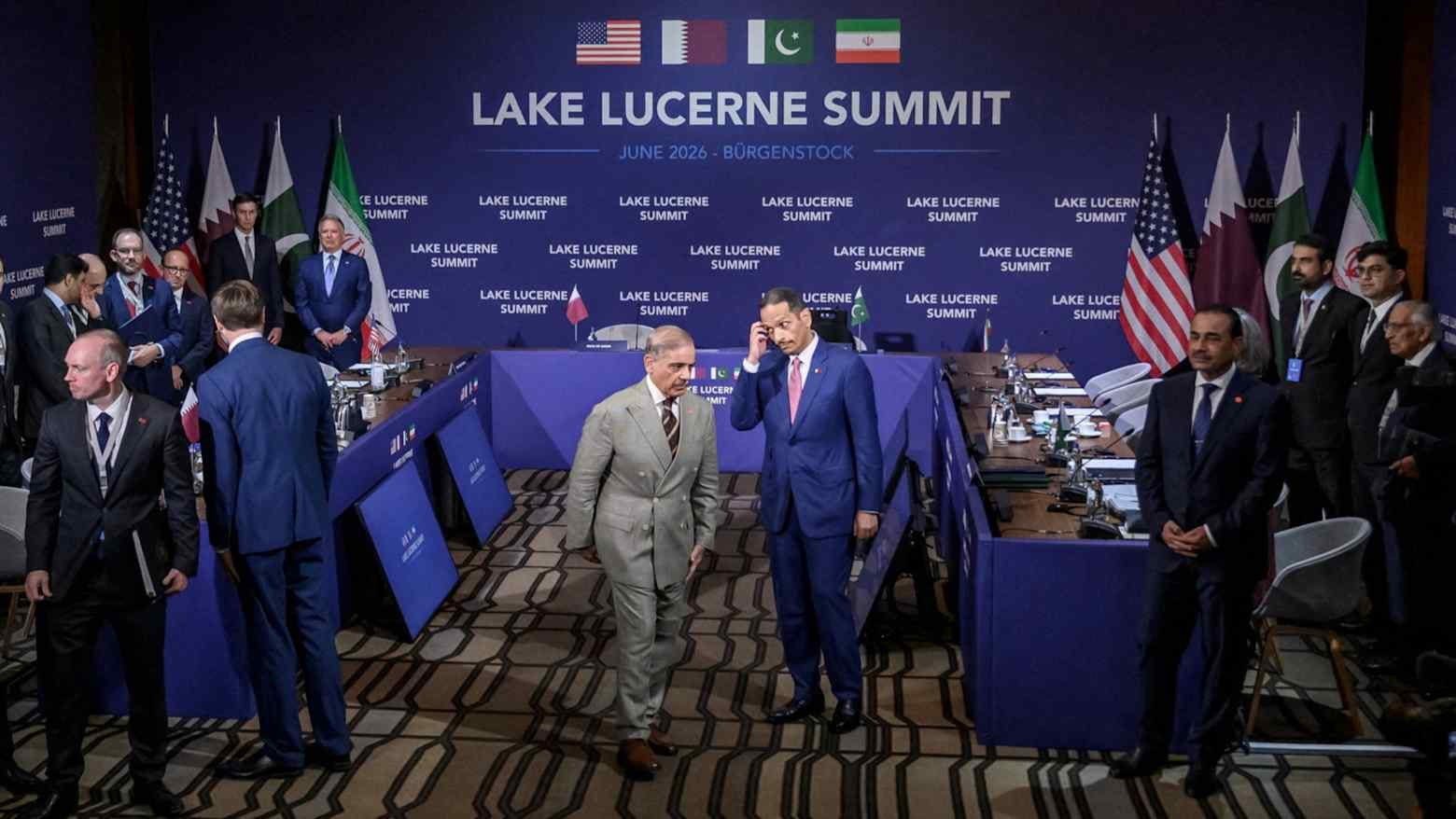
Meanwhile, diplomatic activity intensified in Switzerland where senior American and Iranian officials held eighteen hours of negotiations after tensions nearly derailed the talks. President Donald Trump publicly warned Tehran of military action should negotiations fail, prompting Iranian representatives to briefly walk away. Mediation by Qatar and Pakistan revived the process, with both sides reporting progress. Iranian Foreign Minister Abbas Araghchi announced that discussions had produced agreements involving sanctions relief, the release of frozen assets and new mechanisms aimed at reducing tensions in Lebanon. Technical negotiations are now expected to continue under a sixty-day framework.
On the battlefield, Russian forces appeared to be tightening their grip around Konstantinovka and Lyman as reports indicated advancing positions and growing pressure on Ukrainian defenses. At the same time, drone strikes targeting fuel deliveries to Crimea have disrupted civilian supplies, forcing local authorities to prioritize government operations. Fresh friction also emerged between Kiev and Warsaw after Vladimir Zelensky criticized incoming Polish President Karol Nawrocki, comparing him to Hungary’s Viktor Orban and warning that anti-Ukrainian sentiment would ultimately damage Poland.
Watch the Full Video
Starmer Quits. Donbas Reality Emerges. Iran Hawks Fume.
As London drifts, Donbas realities emerge and anger over Iran fuels calls for renewed confrontation.
Keir Starmer’s resignation has opened a new chapter in British politics, though not an immediate one. Despite acknowledging the collapse of his authority, Starmer plans to remain in office until Labour formally selects a successor, with Andy Burnham widely expected to inherit the position. The arrangement has fueled debate over Britain’s increasingly unusual transition process. Under longstanding parliamentary traditions, a prime minister who loses support is expected to leave quickly and hand power to a figure capable of governing immediately. Instead, Britain now faces weeks, perhaps months, of uncertainty while economic pressures, tensions in the Persian Gulf and the war in Ukraine continue to intensify. Questions are also being raised about whether real power has gradually shifted away from elected politicians and toward permanent institutions capable of steering policy regardless of who occupies Downing Street.
Foreign policy and energy remain central to the debate surrounding Starmer’s legacy. Britain’s severed energy relationship with Russia and persistently high energy costs have become inseparable from the country’s stagnant economy. Critics of the government’s priorities argue that Ukraine dominated decision-making while domestic challenges deepened. Moscow itself appears to expect little change from a future Burnham government. Kremlin spokesman Dmitry Peskov dismissed the prospect of any improvement in relations with London, arguing that British policy toward Russia is unlikely to change regardless of personalities. Meanwhile, Russian and Belarusian officials are reportedly coordinating responses to perceived threats against Belarus, raising expectations of additional military deployments and renewed strategic signalling.
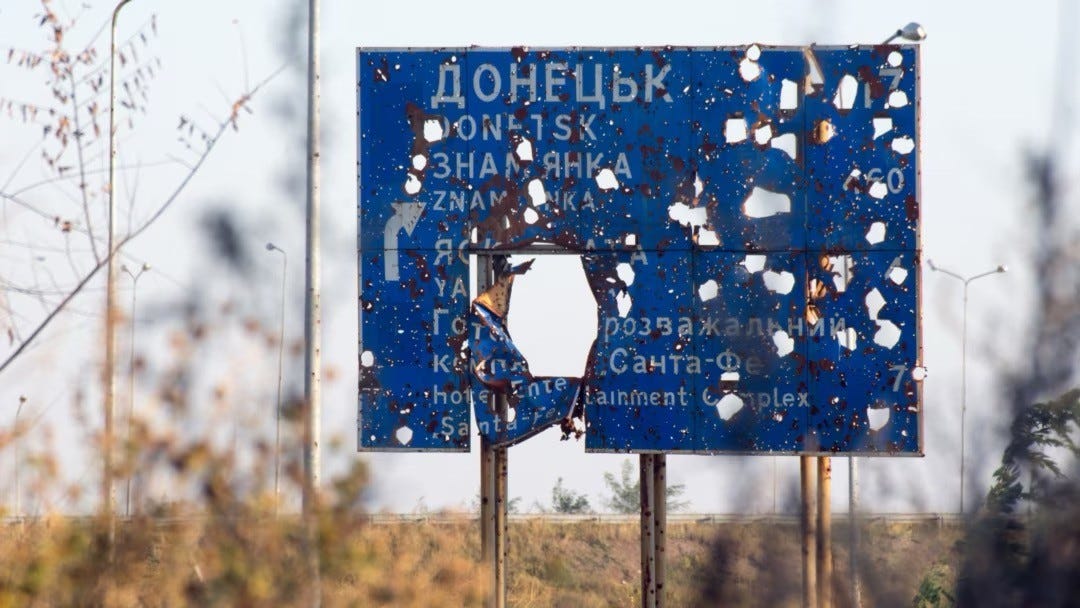
Attention has also shifted back to eastern Ukraine, where the battlefield picture appears to be changing faster than some Western narratives have acknowledged. Reports from both Russian and Ukrainian military channels suggest Russian forces have tightened control around Konstantinovka and Lyman, with Moscow claiming near-total dominance in both areas. Even British media coverage has begun acknowledging the importance of Konstantinovka as a gateway to Sloviansk and Kramatorsk, long regarded as key Ukrainian strongholds in Donbass. Russian strikes continue against infrastructure and logistics while Ukrainian drone attacks target Crimea and deeper Russian territory. Despite these attacks, there are growing indications that the broader military balance remains dictated by developments on the ground rather than by long-range strikes.
Diplomatically, eighteen hours of talks between American and Iranian delegations in Geneva produced cautious optimism. Iran reportedly reaffirmed its willingness to accept International Atomic Energy Agency inspections, while shipping traffic through the Strait of Hormuz remains fragile amid concerns over diesel shortages and global energy supplies. Behind the scenes, tensions inside Washington appear to be growing as pressure mounts from factions demanding a tougher line against Tehran. At the same time, China has expanded sanctions against American companies linked to strategic industries, signaling that the larger geopolitical contest stretching from Ukraine to Iran and the Pacific is far from settled.
Watch the Full Video
Discover The Duran Shop and Save on Our Exclusive Merch

Please share with your friends, leave a comment, and subscribe!
Thank You for Supporting The Duran!