

Washington's Challenges on Both Fronts Deepen
Miscalculations in Iran, Russia and Ukraine Escalate Rhetoric

Iran Miscalculation Could Trigger a Decade-Long Economic Crisis
with Special Guest Jeffrey Sachs
Washington’s confrontation with Iran is increasingly being described as a strategic gamble that collapsed within hours of launch. What was reportedly designed as a rapid regime-change operation after the February 28 attack instead exposed deep miscalculations about Iran’s military resilience, political cohesion, and economic leverage. Early assumptions that Tehran’s leadership could be decapitated and replaced through a shock campaign quickly unraveled as Iran restored its command structure and launched retaliatory strikes across the region. Damage assessments from those first exchanges continue to grow, while the White House appears trapped between escalation and retreat. The original objectives have faded, the justifications have eroded, and the search for an exit now dominates Washington’s calculations.
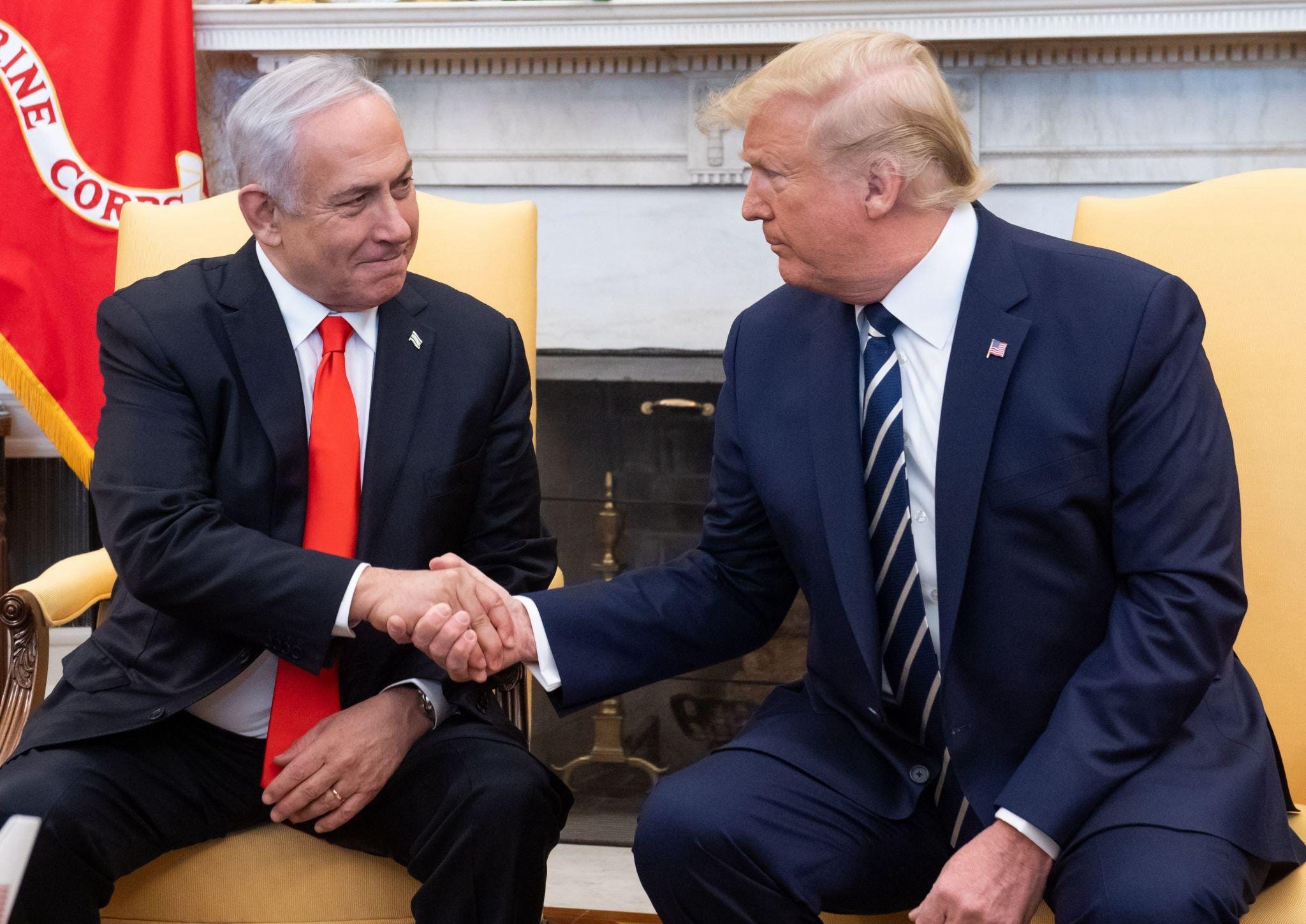
The operation is increasingly compared to earlier US-backed attempts to engineer political collapse abroad, particularly in Venezuela. According to this reading, the expectation in Washington and Tel Aviv was that Iran’s leadership would fracture under pressure, allowing a rapid declaration of victory. Instead, the Islamic Revolutionary Guard Corps moved swiftly to stabilize the state apparatus while demonstrating an ability to threaten Gulf infrastructure, Israel, and US regional assets. Prime Minister Benjamin Netanyahu is portrayed as pushing for continued confrontation, while President Donald Trump faces mounting domestic pressure from rising fuel prices, weakening poll numbers, military concerns, and warnings from Gulf states and Russia. The result is a White House oscillating between maximalist rhetoric and attempts to package de-escalation as a negotiated success.
The economic consequences have transformed the conflict from a regional war scare into a global supply shock. The Strait of Hormuz, through which roughly a third of global seaborne oil trade passes, has become the center of market panic. Oil prices surged above $120 a barrel at peak fears before retreating slightly amid speculation of US restraint. The disruption extends beyond crude oil into gas, petrochemicals, fertilizers, shipping, aviation, and food production. Unlike the oil crises of the 1970s, the danger now lies not only in disrupted exports but in the potential physical destruction of Gulf energy infrastructure. Markets increasingly fear that a prolonged conflict could trigger cascading failures across financial systems, industrial production, tourism, and trade routes worldwide.
Beneath the military and economic turmoil lies a broader geopolitical fracture. Iran is presented not as an isolated or technologically backward state, but as part of an increasingly sophisticated Eurasian bloc stretching from China to Russia. The argument emerging from this crisis is that Washington continues to operate through dominance and coercion while underestimating the scientific, industrial, and civilizational depth of its rivals. In this view, the war exposed not Iranian weakness, but the limits of unipolar power itself. Europe meanwhile appears caught between strategic dependency on Washington and growing economic isolation from the wider Eurasian economy, deepening fears that the West is drifting into a prolonged era of self-inflicted fragmentation.
NATO’s Drone Problem, Moscow’s Warning
Tensions across Eastern Europe intensified after two drones crashed near the Latvian border with Russia, triggering renewed accusations, denials, and increasingly awkward media framing. The drones struck an abandoned oil storage facility roughly 50 kilometers from the Russian frontier, causing little damage but igniting political alarm inside NATO territory. Latvian authorities indicated the drones were likely launched by Ukraine toward targets inside Russia before veering off course due to electronic warfare or technical failures. Western headlines carefully described the incident as “drones from Russia” rather than drones launched by Russia, reflecting the uncomfortable reality that the aircraft may have originated from Ukrainian operations moving through Baltic and Eastern European airspace toward Russian targets near Saint Petersburg and the Leningrad region.
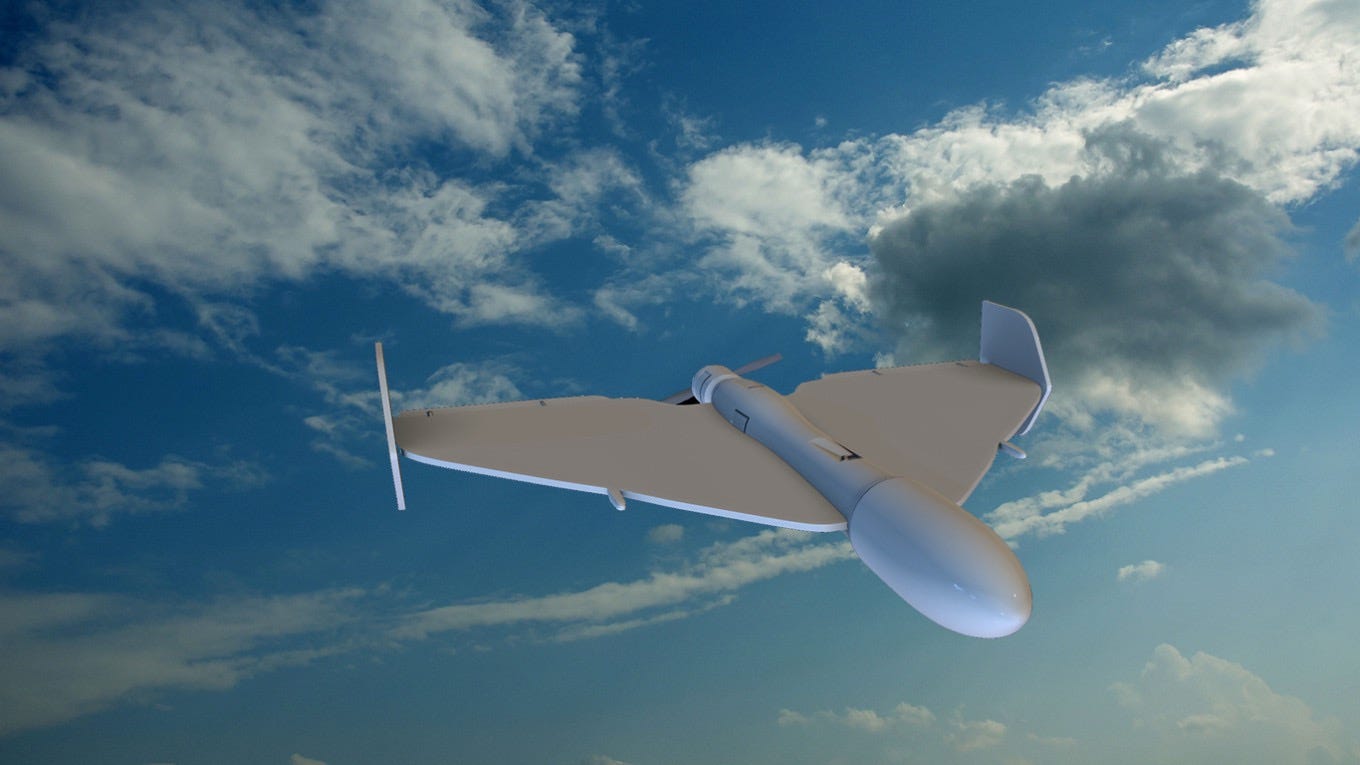
The episode has fueled growing speculation that parts of Europe are becoming unwilling staging corridors for a widening drone war. Reports circulating in regional media suggest Estonia and Finland have quietly warned Kiev against using their airspace for attacks on Russian territory after Moscow publicly identified drone production facilities across Europe. Russian officials argue the incidents expose a broader covert infrastructure supporting strikes deep inside Russia while European governments attempt to maintain plausible deniability. What began as isolated cross-border drone operations increasingly resembles a shadow conflict spilling across NATO borders, with even strongly anti-Russian outlets acknowledging that Ukrainian launches are becoming harder to disguise as accidents or misunderstandings.
Moscow meanwhile escalated its rhetoric ahead of Victory Day celebrations on May 9. Russian Foreign Ministry spokeswoman Maria Zakharova issued an unusually direct warning urging diplomats and civilians to leave Kiev immediately if Ukraine launches attacks during commemorations marking the Soviet victory in the Second World War. Russian military statements warned that any strike targeting Moscow or disrupting Victory Day events would trigger massive retaliatory attacks against central Kiev and decision-making centers. The language marked one of the sharpest official warnings issued since the start of the conflict, reflecting Moscow’s growing determination to frame any May 9 attack as a symbolic assault on Russian historical identity rather than a routine battlefield operation.
At the same time, fresh reports revealed fractures inside Washington’s Middle East strategy. According to US media accounts, Saudi Arabia and Kuwait reportedly blocked American use of regional bases and airspace for “Project Freedom,” a proposed US operation tied to reopening the Strait of Hormuz. The refusal forced President Donald Trump into a sudden pause, raising suspicions that the operation involved far more than escorting commercial shipping. Gulf states appear increasingly unwilling to become launchpads for another regional escalation, particularly one that could invite direct Iranian retaliation against their own infrastructure and energy facilities.
Iran Calls Washington’s Bluff
The White House appears to be retreating, slowly and without admission, from the maximalist agenda that launched its confrontation with Iran in February. Reports circulating through American media indicate that President Donald Trump has quietly dropped earlier demands involving Iran’s ballistic missile program, regional alliances, and internal political restructuring. What remains is the nuclear file, though even there Washington’s proposals reportedly resemble surrender terms disguised as diplomacy. Through Pakistani intermediaries, the United States is said to be demanding a moratorium on Iranian uranium enrichment lasting up to twenty years, along with the transfer of Iran’s enriched stockpile to outside control. Tehran’s response was immediate and dismissive. Iranian officials described the proposals as a political “wish list,” insisting Washington continues to stage negotiations while refusing to offer meaningful concessions after months of economic siege and military pressure.
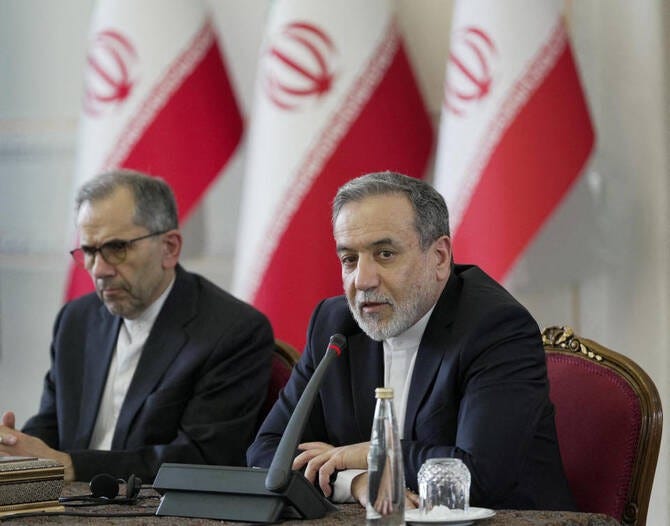
The breakdown of the US-led Hormuz escort operation only reinforced perceptions inside Iran that Washington is searching for a way out while trying to avoid the appearance of defeat. Trump has returned to threats of renewed bombing campaigns, but support for escalation is visibly eroding both inside the American military establishment and among Gulf allies. The most damaging signal reportedly came from Mohammed bin Salman, who informed Washington that expanded operations against Iran would no longer enjoy unrestricted access to Saudi bases or airspace. Qatar and Kuwait reportedly followed with similar restrictions. Gulf governments increasingly appear less concerned with strategic theater and more focused on preventing economic disaster. The Strait of Hormuz remains partially paralyzed, energy flows are disrupted, and fears persist that further escalation could spread into the Red Sea, threatening the final major export corridors for Gulf oil and gas.
Behind the diplomatic confusion sits a rapidly worsening energy crisis and a growing sense that Washington no longer conducts coherent negotiations at all. Since abandoning the JCPOA during Trump’s first presidency, the United States has lurched between sanctions, military threats, improvised backchannels, and contradictory proposals that often collapse before talks even conclude. Senior American officials expected to manage diplomacy appear absent or sidelined, while repeated rumors of imminent “peace breakthroughs” continue triggering violent swings in global oil markets. At the same time, concerns are rising over the true state of American energy resilience, with reports suggesting the United States has been drawing down reserves aggressively in an effort to stabilise prices while global inventories tighten.
As Gulf tensions deepen, the war in Ukraine is increasingly colliding with the Iran crisis to produce a broader geopolitical fracture. Russian forces are reportedly consolidating gains across eastern Ukraine while expanding drone warfare capabilities at a pace Western governments appear unable to match. Moscow’s battlefield momentum contrasts sharply with Washington’s strategic drift, reinforcing perceptions that the West is now struggling to manage two simultaneous confrontations against heavily sanctioned but resilient adversaries. Germany meanwhile faces mounting economic and political strain as Europe absorbs the costs of prolonged conflict, energy disruption, and weakening transatlantic cohesion. The growing fear inside Western capitals is no longer simply military failure or diplomatic embarrassment, but the possibility that the combined crises surrounding Iran and Ukraine are exposing structural weaknesses the Atlantic alliance can no longer conceal.
Thanks for the written analysis. very appreciated as it saves me much time.
I would happily subscribe but will NOT use Link.
Do you have an alternative method of payment please.